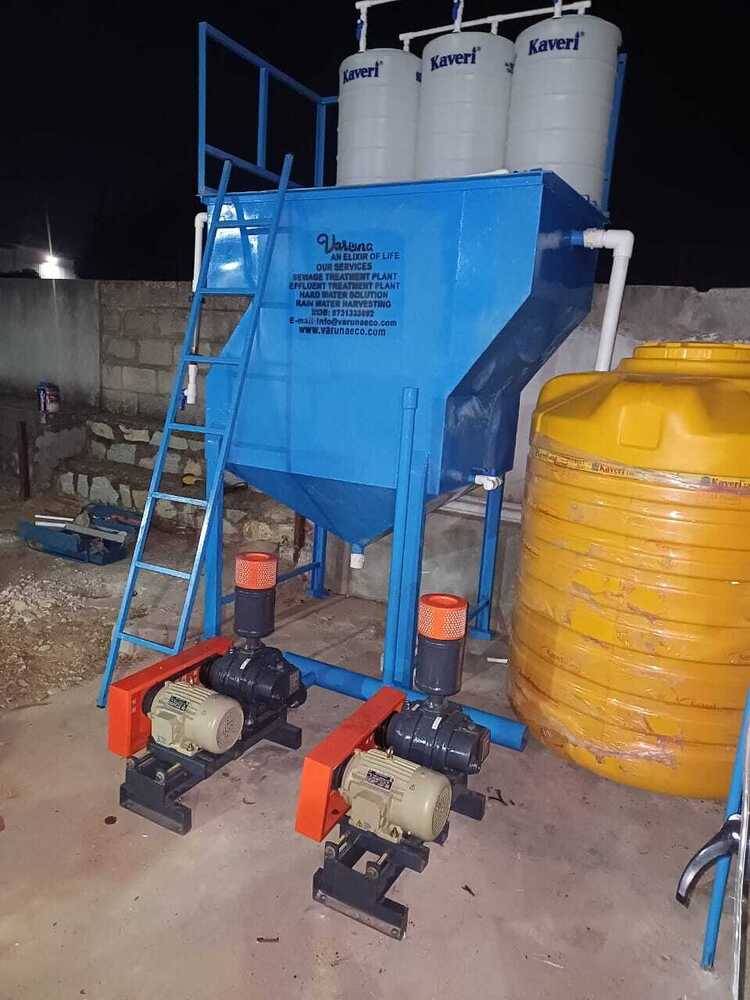
MOQ : 1 Number

Specification

  • ದಕ್ಷತೆ (%)
  • 99%
  • ಮರುಬಳಕೆಯ ದರ
  • 85%
  • ವಸ್ತು
  • MS
  • ಸ್ವಯಂಚಾಲಿತ ಗ್ರೇಡ್
  • ಶುದ್ಧತೆ ಮಟ್ಟ
  • 99%
  • ಸಂಪುಟ
  • ಲೀಟರ್ (ಎಲ್)
  • ನೀರಿನ ಮೂಲ
  • ಪವರ್ ಮೂಲ
  • electric
  • ಡ್ರೈವ್ ವಿಧ
  • ಉತ್ಪನ್ನ ಪ್ರಕಾರ
  • STP
  • ಫಿಲ್ಟರ್ ವಿಧ
  • psf and acf
  • ಸಾಮರ್ಥ್ಯ
  • Ltr
  • ಅನುಸ್ಥಾಪನಾ ಪ್ರಕಾರ
 

Trade Information

  • Minimum Order Quantity
  • 1 Number
  • ಪೂರೈಕೆ ಸಾಮರ್ಥ್ಯ
  • ತಿಂಗಳಿಗೆ
  • ವಿತರಣಾ ಸಮಯ
  • ತಿಂಗಳುಗಳು
  • ಮುಖ್ಯ ದೇಶೀಯ ಮಾರುಕಟ್ಟೆ
 

About

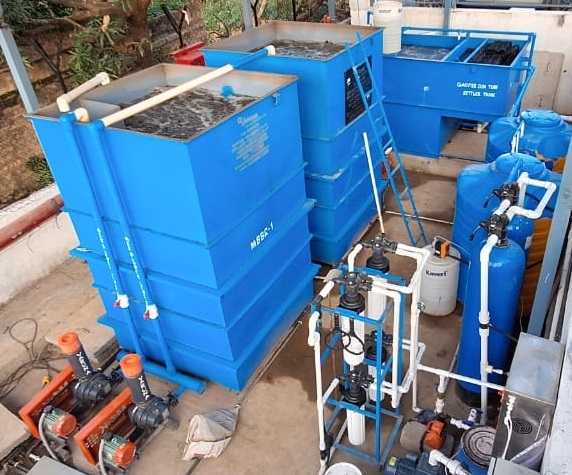
An industrial sewage treatment plant, also known as an industrial wastewater treatment plant, is a facility designed to treat wastewater generated by industrial activities, removing contaminants like heavy metals, chemicals, and oils, to make it safe for reuse or discharge.
Heres a more detailed explanation:
Purpose and Function:
Treats Industrial Wastewater:
Industrial sewage treatment plants are specifically designed to handle the complex and varied wastewater generated by factories, refineries, and other industrial operations.
Removes Contaminants:
These plants employ various treatment technologies to remove a wide range of pollutants, including heavy metals, organic matter, suspended solids, and hazardous substances.
Ensures Compliance:
They are crucial for ensuring compliance with environmental regulations and protecting water resources and ecosystems.
Facilitates Reuse:
Treated wastewater can often be reused within industrial processes, contributing to resource conservation and water sustainability.
Treatment Processes:
Preliminary Treatment:
This stage involves removing large debris and grit using screens or grates.
Primary Treatment:
Heavy solids settle in a settling tank (clarifier), forming sludge, and lighter substances like oil and grease rise to the surface forming scum.
Secondary Treatment:
Biological processes are employed to further break down organic matter and nutrients in the wastewater, using methods like activated sludge, trickling filters, or biofilm reactors.
Tertiary Treatment:
This involves additional purification steps to ensure the water meets stringent quality standards before discharge or reuse.
Advanced Treatment:
Membrane filtration, vacuum evaporation, and other advanced technologies can be used for specific contaminants and applications.
Types of Industrial Wastewater:
Chemicals:
Wastewater from chemical processing plants often contains a wide range of chemicals, including heavy metals, organic solvents, and acids.
Petrochemicals:
Refineries and petrochemical plants generate wastewater containing hydrocarbons, oils, and other organic compounds.
Food Processing:
Food processing industries produce wastewater with high levels of organic matter, sugars, and fats.
Textiles:
Textile mills generate wastewater containing dyes, chemicals, and other pollutants.
Other Industries:
Wastewater from various other industries, such as automotive, electronics, and power plants, can also contain a variety of pollutants.
Importance:
Environmental Protection:
Industrial sewage treatment plants are essential for protecting water resources and ecosystems from the harmful effects of untreated industrial wastewater.
Public Health:
Proper treatment of wastewater is crucial for protecting public health by preventing the spread of diseases and ensuring the safety of drinking water sources.
Resource Conservation:
Treated wastewater can be reused for various purposes, including irrigation, industrial cooling, and groundwater recharge, contributing to water conservation and sustainability.
Economic Benefits:
Industrial wastewater treatment can reduce the costs associated with water pollution, waste disposal, and regulatory compliance.

FAQs of Sewage Treatment Plant for Industry:


Q: What is the material used for the Sewage Treatment Plant for Industry?

A: The Sewage Treatment Plant for Industry is made of MS (Mild Steel).

Q: What is the water source for the Sewage Treatment Plant for Industry?

A: The water source for this plant is waste water from industries.

Q: What is the capacity of the Sewage Treatment Plant for Industry?

A: The capacity of the plant is 70000 liters.

Q: What filter types are used in the Sewage Treatment Plant for Industry?

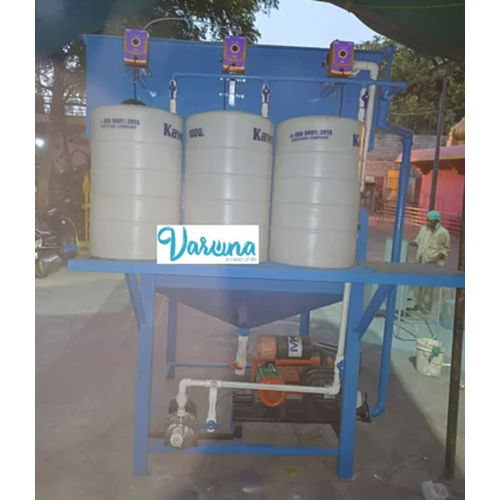
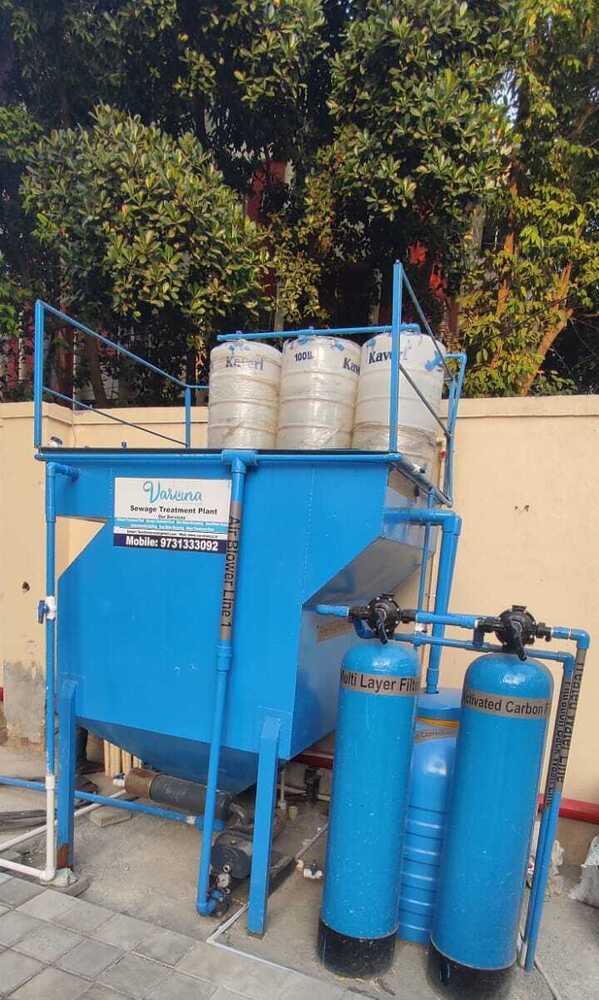
A: The filter types used are PSF and ACF (Activated Carbon Filter).

Q: What is the automatic grade of the Sewage Treatment Plant for Industry?

A: The plant has a semi-automatic grade.

Tell us about your requirement
product

Price:  

Quantity
Select Unit

  • 50
  • 100
  • 200
  • 250
  • 500
  • 1000+
Additional detail
ಮೊಬೈಲ್ number

Email

ಇನ್ನಷ್ಟು Products in ನೀರು ಸಂಸ್ಕರಣಾ ಘಟಕ Category

Water Conditioning System

ನೀರಿನ ಕಂಡೀಷನಿಂಗ್ ಸಿಸ್ಟಮ್

ಬೆಲೆ ಅಥವಾ ಬೆಲೆ ಶ್ರೇಣಿ : INR

ಬೆಲೆಯ ಘಟಕ : ಘಟಕ/ಘಟಕಗಳು

ಕನಿಷ್ಠ ಆದೇಶ ಪ್ರಮಾಣ : 1

ಅಳತೆಯ ಘಟಕ : ಘಟಕ/ಘಟಕಗಳು

ಡ್ರೈವ್ ವಿಧ : ಎಲೆಕ್ಟ್ರಿಕ್

ಸ್ವಯಂಚಾಲಿತ ಗ್ರೇಡ್ : ಪೂರ್ಣ ಸ್ವಯಂಚಾಲಿತ

Pressure Sand Filter Activated Carbon Filter

ಒತ್ತಡ ಸ್ಯಾಂಡ್ ಫಿಲ್ಟರ್ ಸಕ್ರಿಯಗೊಳಿಸಿದ ಕಾರ್ಬನ್

ಬೆಲೆ ಅಥವಾ ಬೆಲೆ ಶ್ರೇಣಿ : INR

ಬೆಲೆಯ ಘಟಕ : ಘಟಕ/ಘಟಕಗಳು

ಕನಿಷ್ಠ ಆದೇಶ ಪ್ರಮಾಣ : 1

ಅಳತೆಯ ಘಟಕ : ಘಟಕ/ಘಟಕಗಳು

ಡ್ರೈವ್ ವಿಧ : ಎಲೆಕ್ಟ್ರಿಕ್

ಸ್ವಯಂಚಾಲಿತ ಗ್ರೇಡ್ : ಸೆಮಿ ಸ್ವಯಂಚಾಲಿತ

Ultra Water Filtration Plant

ಅಲ್ಟ್ರಾ ವಾಟರ್ ಫಿಲ್ಟರೇಷನ್

ಬೆಲೆ ಅಥವಾ ಬೆಲೆ ಶ್ರೇಣಿ : INR

ಬೆಲೆಯ ಘಟಕ : ಘಟಕ/ಘಟಕಗಳು

ಕನಿಷ್ಠ ಆದೇಶ ಪ್ರಮಾಣ : 1

ಅಳತೆಯ ಘಟಕ : ಘಟಕ/ಘಟಕಗಳು

ಡ್ರೈವ್ ವಿಧ : ಎಲೆಕ್ಟ್ರಿಕ್

ಸ್ವಯಂಚಾಲಿತ ಗ್ರೇಡ್ : ಪೂರ್ಣ ಸ್ವಯಂಚಾಲಿತ

Wireless RF Based Water Level Auto Controller

ವೈರ್ಲೆಸ್ ಆರ್ಎಫ್ ಆಧಾರಿತ ನೀರಿನ ಮಟ್ಟದ ಆಟೋ ನಿಯಂತ್ರಕ

ಬೆಲೆ ಅಥವಾ ಬೆಲೆ ಶ್ರೇಣಿ : INR

ಬೆಲೆಯ ಘಟಕ : ಘಟಕ/ಘಟಕಗಳು

ಕನಿಷ್ಠ ಆದೇಶ ಪ್ರಮಾಣ : 1

ಅಳತೆಯ ಘಟಕ : ಘಟಕ/ಘಟಕಗಳು

ಡ್ರೈವ್ ವಿಧ : ಎಲೆಕ್ಟ್ರಿಕ್

ಸ್ವಯಂಚಾಲಿತ ಗ್ರೇಡ್ : ಪೂರ್ಣ ಸ್ವಯಂಚಾಲಿತ


Back to top